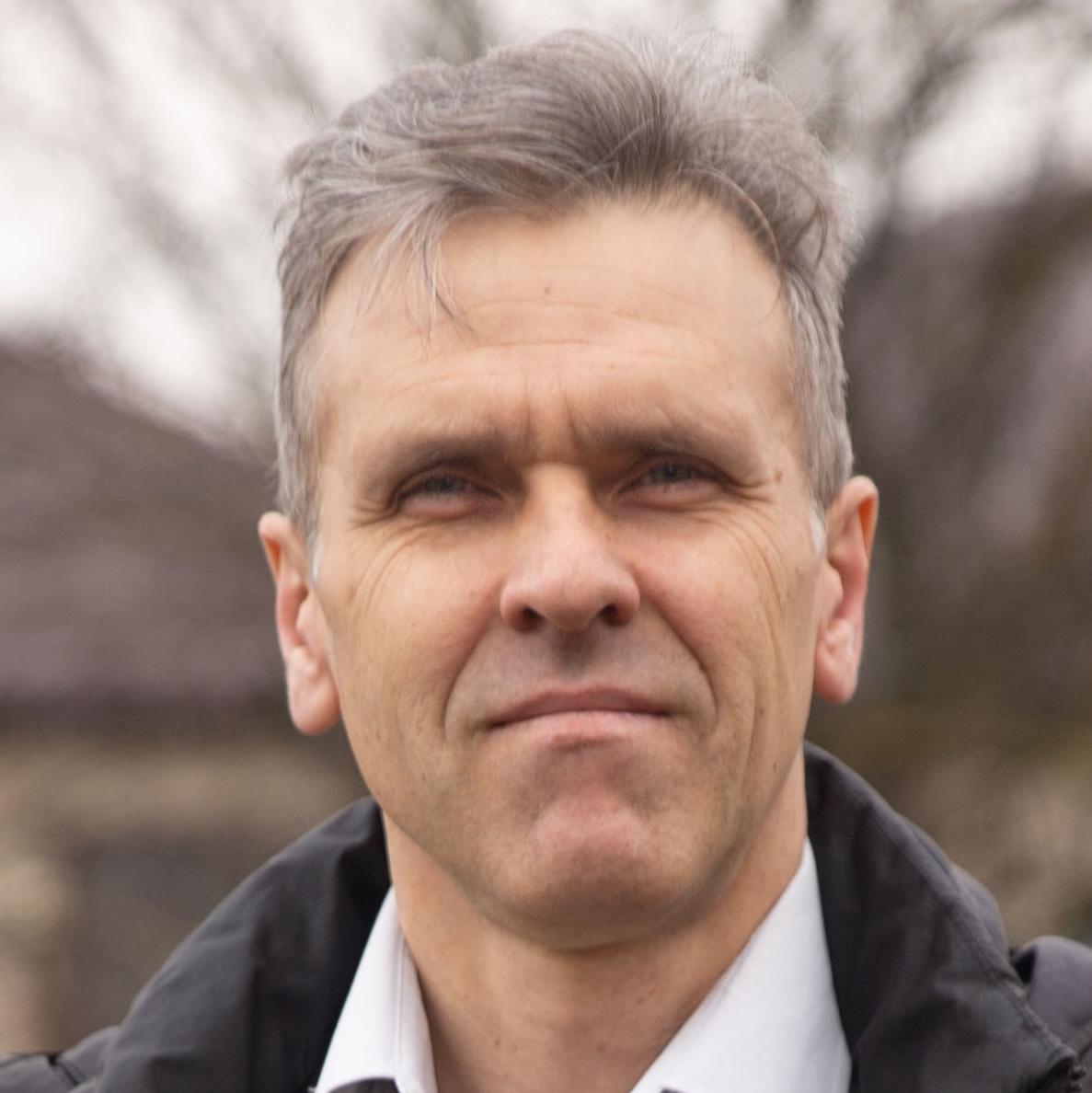
Biography
The father of many children, Valeriy Vechkayev, a musician and builder-finisher, found out that he was suspected of extremism only because of his faith, when his house was searched in his absence.
Valeriy was born in October 1973 in the village of Vyselki, Krasnodar Territory, where he lived most of his life. He has a maternal half-brother.
Valeriy was a versatile child: he played handball, participated in amateur performances, went to a theater group. From childhood he loved music: he graduated with honors from a music school in the bayan class, sang and played the bass guitar and drums in a vocal and instrumental ensemble.
After school, Valeriy continued his education at the Krasnodar Institute of Culture at the faculty of the scenic folk ensemble, and then museum studies. Valeriy worked for some time as a security guard, later as an accordion player in the regional house of culture, collaborating with choreographers of children's folk dance, wrote phonograms for children's concerts. Having mastered construction skills, he has been working in the field of interior finishing for the last twenty years.
In the 1990s, Valeriy discovered the Bible for himself. He was impressed by the fulfilled prophecies in this book. He also liked that the Jehovah's Witnesses he met lived up to high moral standards. In 1999, Valery decided to take the Christian path.
Valeriy met Irina in 1994, and 2 years later they got married. His wife shares his hobbies—in her youth, Irina played percussion instruments in a vocal and instrumental ensemble. She also loves to knit. Irina works at the hospital reception.
The couple have two adult sons and a teenage daughter, all of them creative natures. The eldest son works as a hairdresser in a barbershop, the youngest studies at an art school, paints. My daughter is fond of design and tailoring, studies at an art school, and also attends a journalism club.
Valeriy and Irina love to spend time with children: the whole family goes to the sea, walks in the picturesque places of Krasnodar, and goes skating. Irina shares her husband's religious views and his attitude to family values. “We instilled high moral standards in all children so that they would become worthy members of society,” the couple say.
In his free time, Valeryi is still engaged in music, plays the button accordion, guitar and piano. He also maintains his health: every morning he does breathing exercises and physical exercises, he likes to play table tennis.
The criminal prosecution has changed the usual life of the family. Valeriy says: “The wife feels tense. Frequent calls to court and to the investigator affect the work schedule.” The believer himself tries to remain calm, but worries about relatives and fellow believers who, like him, face persecution because of their faith. Relatives of the Vechkaevs are perplexed why their relatives—calm and peaceful people—are being persecuted.